Medication review and follow-up
Telehealth can work well for reviewing symptoms, discussing side effects, checking adherence, and adjusting plans when an in-person exam is not necessary.
Telehealth can make follow-up care more convenient, especially when you need education, medication review, or discussion of home readings. It does not replace every visit, and it is not the right choice for emergencies.
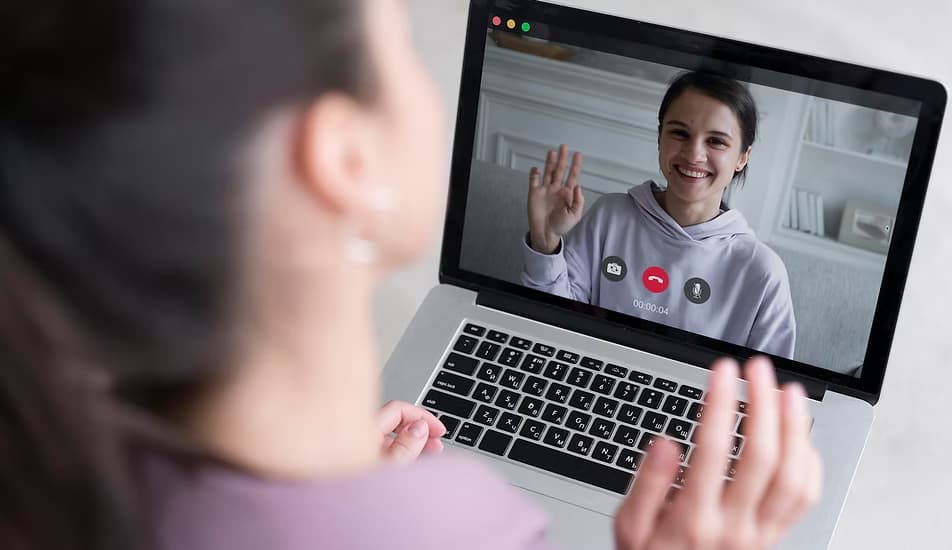
Best used for non-emergency care
Telehealth works best when your care team can make progress without a hands-on exam, same-day imaging, or urgent intervention.
Call 911 right away for chest pain or pressure, severe trouble breathing, fainting, sudden weakness or numbness, trouble speaking, or any severe or rapidly worsening symptoms. Do not wait for a virtual visit in an emergency.
When Telehealth Helps
For the right visit, telehealth can save time and make follow-up easier while still keeping your care team informed.
Telehealth can work well for reviewing symptoms, discussing side effects, checking adherence, and adjusting plans when an in-person exam is not necessary.
It can be especially useful when you are tracking blood pressure, weight, heart rate, glucose, or other home readings that help guide care.
Virtual visits can help you understand test results, discuss treatment steps, and prepare for what comes next without unnecessary travel.
Virtual visit checklist
Use a quiet, private location with good lighting if video is planned.
Test your phone, tablet, or computer connection before the visit if possible.
Keep your medication bottles or medication list nearby.
Have recent blood pressure, weight, pulse, or symptom notes ready if your team asked you to track them.
Write down your top questions so important concerns do not get missed.
Logging in a few minutes early can help avoid rushed starts and gives you time to resolve connection issues if they come up.
Common uses
Coverage, scheduling, and platform details may vary. Confirm logistics with the office when you request your appointment.
What Telehealth Is Not For
Virtual care supports continuity. It should not delay emergency care or in-person evaluation when symptoms need urgent hands-on assessment.
Related pages
Trusted resources
Official patient guidance from the U.S. Department of Health and Human Services describing what telehealth is and how it is used.
Practical steps patients can take before a telehealth visit, including privacy, technology, and question preparation.
Use this guidance to understand when symptoms require emergency care instead of a scheduled virtual visit.
FAQ
These answers are general. Your own visit type and follow-up plan should still be confirmed with your care team.
Telehealth is often useful for non-emergency follow-up, reviewing home readings, discussing medicines, education, and care planning when your clinician does not need an in-person exam or same-day testing.
Choose emergency care for severe symptoms such as chest pain, severe shortness of breath, fainting, stroke symptoms, or anything rapidly worsening. In-person evaluation may also be needed when examination, testing, or procedures are required.
Have your medication list, recent readings, symptom notes, questions, insurance information if requested, and your device ready in a quiet private space.
No. Telehealth is one option within your care plan. Some evaluations still require in-person examination, diagnostic testing, imaging, or procedures.
Next step
Tell the office about your symptoms, how urgent they feel, and whether you have home readings available. Our team can help guide you toward telehealth, in-person care, or urgent evaluation.